


Human Health
The main pharmaceutical products in the Human Health area produced by Biomill through the GMB Platform are:
Biohormon – recombinant human growth hormone
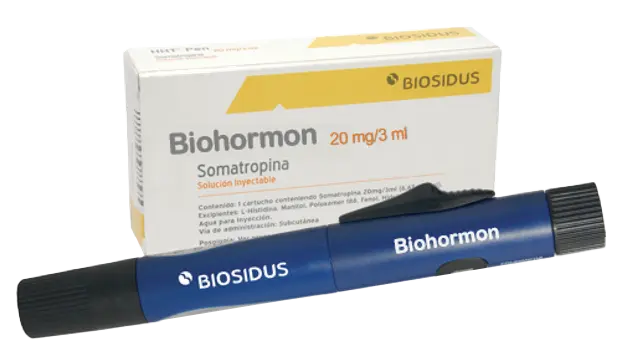
The production process of this human growth hormone is more efficient than if it were produced through conventional platforms and, therefore, the drug is more affordable for the general population.
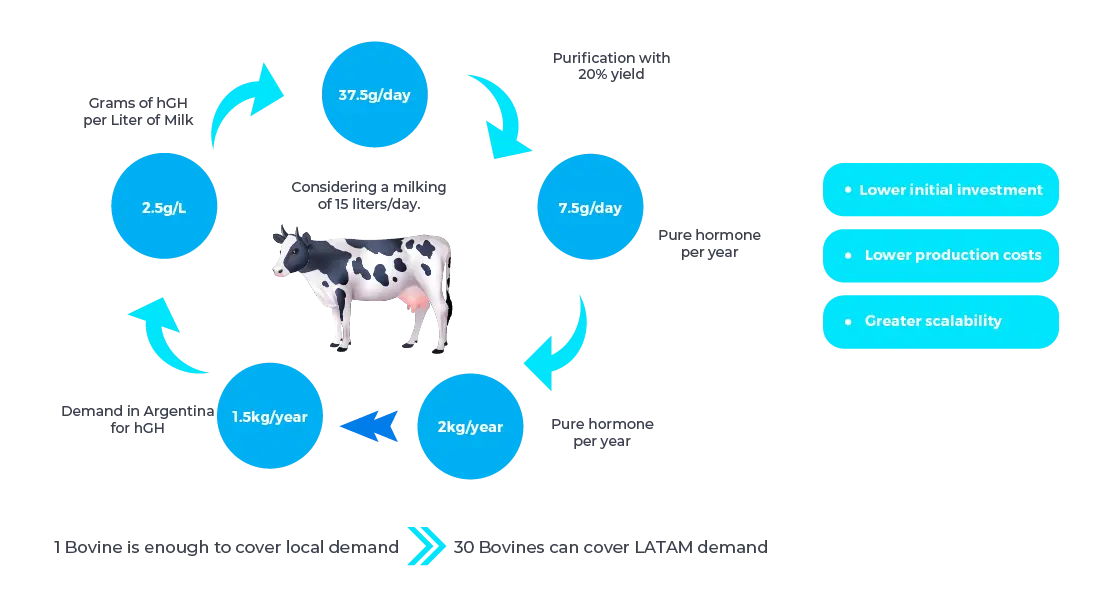
Two kilograms of pure human growth hormone are obtained by milking 15 liters of milk per day of 1 bovine animal over 10 months. Demand in Argentina is 1.5 kilograms per year; so with just 1 bovine animal we meet the yearly demand.
With 30 bovines, we cover the annual demand for growth hormone in all Latin America.
This growth hormone, produced through the GMB Platform, is then branded as Biohormon. Biohormon is currently following its registration process in Argentina through ANMAT (National Administration of Drugs, Food and Medical Devices).
VHH nanobody against rotavirus
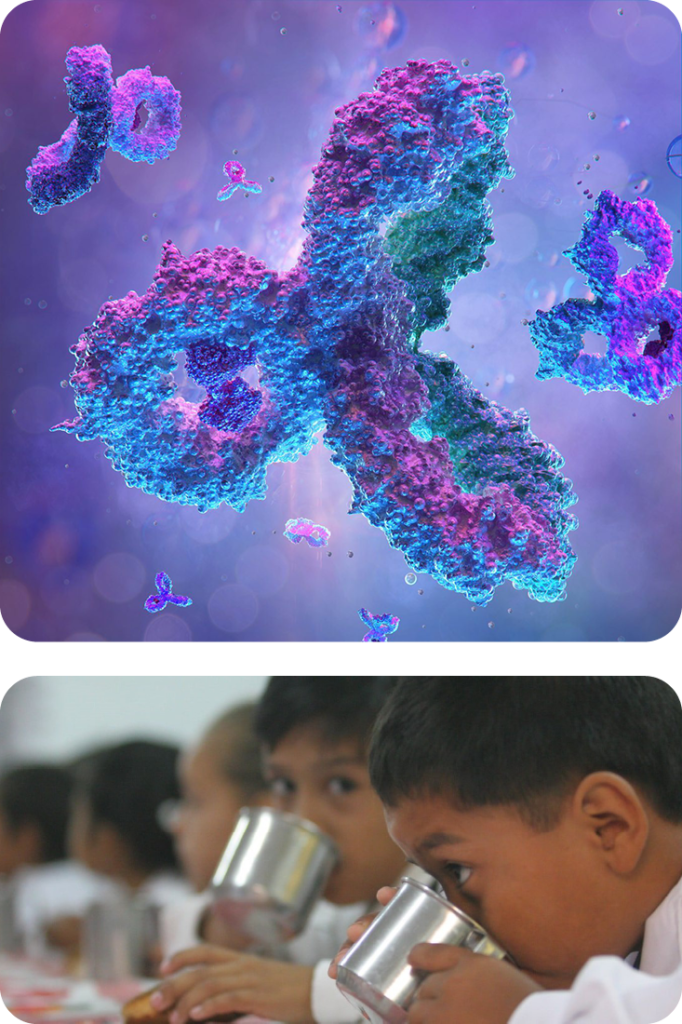
The GMB Platform also produces the smallest antibodies in nature, known as “nanobodies”. One of those is, for example, VHH, which acts against Influenza A caused by rotavirus.
When rotavirus enters the body, it is blocked and eliminated by VHH. This reduces the cases of both gastroenteritis and diarrhea in children, which are fatal in some instances.
Rotavirus spreads easily among infants and young children. Good hygiene is important, but not enough to control the spread of this disease. In fact, Influenza A is a strong threat to public health, given the fact that it can cause seasonal epidemics and occasional pandemics.
It is estimated that between 250,000 and 500,000 people die from Influenza each year worldwide, most of which are children.
VHH can be added to retail milk and turn it into a healthier product to reduce diarrhea in children caused by rotavirus. Biomill is currently working with some of the main dairy companies in the country in order to produce this highly useful liquid food.
Enzyme replacement therapies for the treatment of Rare Diseases
Infrequent or rare diseases are those that occur infrequently in the general population and affect a small number of people in a given population (low prevalence).
According to the World Health Organization (WHO), there are more than 6,000 low-prevalence clinical conditions. Fabry, Gaucher, Pompe, Hunter Syndrome and Hereditary Angioedema are some examples of the most important, where enzyme replacement therapies are the treatments that allow the survival of patients.
These treatments represent a challenge for the health system since they mean a high cost of financing.
Biomill is working on obtaining lysosomal enzymes, from its GMB bovine platform, and other treatments for these rare diseases.

Monoclonal antibodies
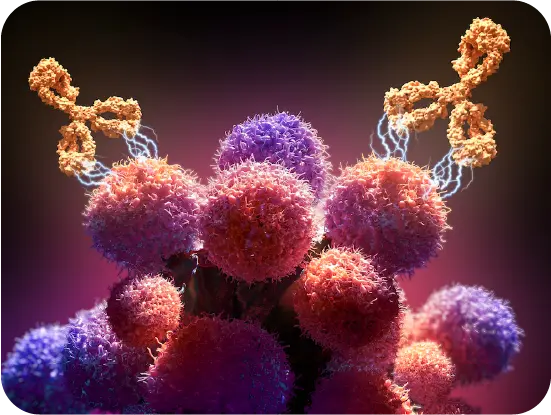
Monoclonal antibodies (mAbs) are laboratory-produced proteins designed to mimic the function of natural antibodies in the immune system. They are engineered to target specific antigens, like those found on the surface of cancer cells or infectious agents. The key feature of mAbs is their monoclonality, meaning they are derived from a single cell line and therefore have a high level of specificity for a single target.
Biomill is focused on producing mAbs for widespread diseases, like malaria, whose treatments are currently expensive, limiting patient access particularly in the developing countries.
Healthy supplements and foods: Probiotics, Prebiotics and Synbiotics
If we want to be healthier, it is imperative to reinforce our “gut microbiota”, which are the microorganisms that live in our digestive tract. These microorganisms comprise around two kilograms of our weight and are known to be essential, not only for their functions in the gut, but also for both the direct and indirect effects over other organs of our body.
The main functions of gut microbiota include preventing colonization from other pathogenic microorganisms, helping food digestion, production of vitamins B and K which our body is not able to synthesize and stimulating our immune system.
There are external factors that substantially alter our gut microbiota. Some of those factors include microbes in the environment, bad dietary habits, stress, chlorinated water consumption and the regular consumption of medicines such as anti-inflammatories, laxatives, antacids and antibiotics.
Probiotics are microorganisms which, same as bacteria and yeasts, provide health benefits when consumed, given the fact that they help restore the balance of disrupted microbiota. Probiotics are found in some fermented foods, but they are also usually added to some food products and are also available as dietary supplements.
Biomill has a collection of 122 bacterial strains, most of them with probiotic characteristics. This collection was carefully isolated by CERELA (Reference Centre for Lactobacilli) experts, one of the most renowned institutions in the subject.
We are developing probiotics in diverse areas, such as Gastroenterology, Women Health, and both Cardiovascular and Respiratory System.